Ardelle Gardens Care Center
1818 E Fletcher Ave
Tampa, FL 33612
Our site wants to equip seniors and their loved ones with the essential information about nursing care, so they can find a nursing home with quality caregivers and amenities at the best possible price and location.
Tampa nursing homes admit patients who need rehabilitative services or medium to long-term health maintenance. Patients are treated for a variety of medical and conditions, including acute, sub-acute, terminal, chronic and serious health problems. A coordinated effort on part of a multidisciplinary team of caregivers, including nurses, nursing aids, physicians, therapists, dietitians, non-medical staff and social workers, delivers extensive care to meet the specific needs of all patients.
The most general forms of nursing care are short-term and long-term care. Some Tampa area facilities have the means to provide for both types of care. Some institutions also have special care units that give expert care to patients with specific medical concerns.
Short-term care utilizes rehabilitation services to help patients recover from the effects of strokes, aneurisms, falls, surgeries, heart attacks or other acute medical crises. An estimated three-quarters of short-term patients were previous hospitalized due to their crisis. Patients receive care on a professionally prescribed plan that is individually tailored to help patients restore function, rebuild strength and minimize or reverse any damage already incurred. Patients often use respiratory, speech, occupational or physical therapy to reach a level of health where they can pursue less inclusive care. Short-term care is often the intermediate stage of a patient’s full recovery. Many move to assisted living or in home care for the last stage.
The initial stage of recuperation is hospital care. This is a vital component for a future short-term nursing care patient. Quality hospital care can get patients off on the correct footing and can give them access to knowledgeable recommendations to area SNFs. Tampa’s most quality health care services, based on patients’ previous hospital visits, can be found at Tampa General Hospital and St. Joseph’s Hospital.
Long-term care is centered on delivering extensive, extended and responsive treatment to patients with Alzheimer’s, pulmonary, kidney or cardiovascular disease, dementia, multiple sclerosis, cancer and other serious medical conditions. Nursing homes focus on restoring or maintaining each patient’s level of health through their collaborative network of multidisciplinary personnel. Doctors and nurses offer continuous health monitoring, document all services provided by the facility and carry out complicated medical procedures like colostomies, tracheostomies, wound care, intravenous therapy, blood testing and medication adjustments. Custodial care is delivered by non-medical staff. Social workers and recreational planners try to stimulate social interaction through home-wide activities, games, events, dinners and outings.
Tampa skilled nursing facility care costs fall just slightly above the Florida state median. Private and semi-private nursing home rooms bear monthly costs of $6,753 and $7,178, respectively. Home care services, like homemaker services and home health aide, cost $3,480 and $3,623 month, respectively. Adult day health care runs a monthly cost of $1,300. Assisted living bedrooms cost $2,775 per month in the area.
Preparing for the financial burden of nursing care costs cannot be done far enough in advance. Since nursing care is not covered by traditional health insurance, many patients must pay out of pocket. Private means of financing can drive families to dip into their retirement savings or even lose their house to pay for nursing care. Unanticipated nursing care can wreck your savings. It is important to know the limitations of certain types of coverage or government benefits.
Medicare only provides 100 days of coverage in one benefit period. The last 80 days of nursing stays are subject to a copay fee. Medicaid is a joint federal-state program that has different eligibility in each state. Certain facilities do not recognize Medicaid coverage. Long-term care insurance is increasingly used to safeguard against the cost of nursing care. However, expensive monthly premiums put long-term care insurance out of the range of a vast swath of the population.
| Assisted living (state avg, monthly) | $2,750 |
|---|---|
| Nursing home, semi-private (monthly) | $6,540 |
| Nursing home, private room (monthly) | $7,050 |
| In-home homemaker (monthly) | $3,240 |
| In-home health aide (monthly) | $3,430 |
| Adult day care (monthly) | $1,280 |
1818 E Fletcher Ave
Tampa, FL 33612
518 West Fletcher Avenue
Tampa, FL 33612
2916 Habana Way
Tampa, FL 33614
3117 W Gandy Blvd
Tampa, FL 33611
4100 E Fletcher Ave
Tampa, FL 33613

3501 Bayshore Blvd
Tampa, FL 33629
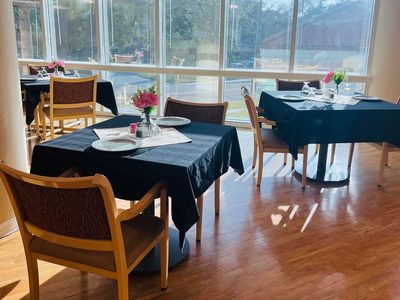
Canterbury Tower offers the finest amenities under one roof - a place to celebrate, make new friends, reminisce with old, and relax. Enjoy elegant surroundings and the convenience and comfort of exclusive benefits,...
15002 Hutchinson Road
Tampa, FL 33625
1203 East 22nd Avenue
Tampa, FL 33605
2811 Campus Hill Drive
Tampa, FL 33612
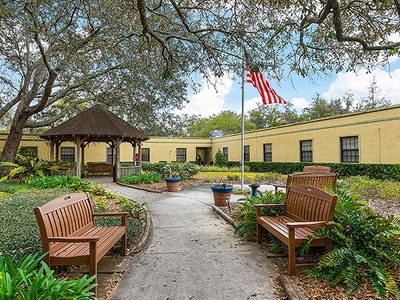
13806 North 46th St
Tampa, FL 33613
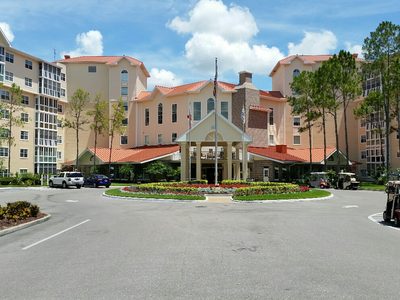
1010 American Eagle Blvd
Sun City Center, FL 33573-5284
Freedom Plaza at Sun City Center is a Life Care Continuing Care Retirement Community - or CCRC. We offer a full continuum of Senior Living Solutions, including: Independent Living Assisted Living Alzheimer's...

4801 N Howard Ave
Tampa, FL 33603
At Kindred Healthcare, our community involvement is consistent with our company’s principles and with our mission of customer service and quality care.

3030 West Bearss Avenue
Tampa, FL 33618
Located on West Bearss Avenue in Tampa, FL, ManorCare provides individualized post-hospital skilled nursing care in a comfortable environment. Our clinical and therapy teams are experienced in providing specialized...
3612 East 138th Ave
Tampa, FL 33613
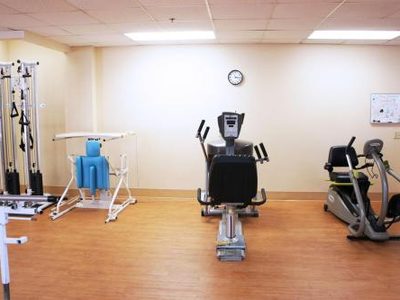
4411 N Habana Ave
Tampa, FL 33614
16702 North Dale Mabry Highway
Tampa, FL 33618

16702 North Dale Mabry Hightway
Tampa, FL 33618-1055
Brighton Gardens of Tampa is home to a vibrant community of senior residents. Our full-service beauty shop, bistro, and country kitchen are hubs of activity, while the screened porch, courtyards, walkways and benches...
4610 S Manhattan AVE
Tampa, FL 33611
1514 E Chelsea St
Tampa, FL 33610
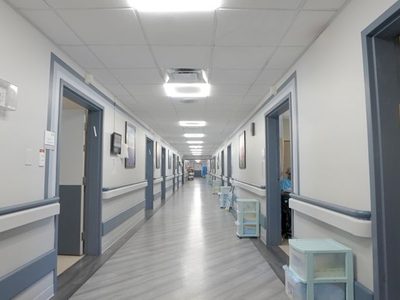
8720 Jackson Springs Road
Tampa, FL 33615
1709 Taliaferro Avenue
Tampa, FL 33602
This summary also covers Apollo Beach, Bay Pines, Belleair, Belleair Beach, Belleair Bluffs, Brandon, Brooksville, Carrollwood, Citrus Park, Clearwater, Clearwater Beach, Crystal Beach, Dade City, Dover, Dunedin, Gibsonton, Gulfport, Hernando Beach, Holiday, Hudson, Indian Rocks Beach, Indian Shores, Land O Lakes, Largo, Lithia, Lutz, Madeira Beach, New Port Richey, Northdale, Odessa, Oldsmar, Palm Harbor, Pinellas Park, Plant City, Port Richey, Redington Beach, Redington Shores, Riverview, Ruskin, Safety Harbor, San Antonio, Seffner, Seminole, South Pasadena, Spring Hill, St Pete Beach, St Petersburg, Sun City Center, Sydney, Tampa, Tarpon Springs, Temple Terrace, Treasure Island, Trinity, Valrico, Weeki Wachee, Wesley Chapel, Zephyrhills and all surrounding areas.