Kansas City nursing homes are prepared to deliver high levels of social and medical care to seniors and patients with more inclusive needs than lower levels of care. Nursing homes provide the most advanced medical care outside of a hospital. Kansas City area facilities tend to a variety of health conditions, including chronic, terminal, temporary, acute and sub-acute problems. Apart from general short-term or long-term care, some area nursing homes have expert care units to treat issues like memory loss or spine injuries.
Area nursing homes, also called skilled nursing facilities, have multidisciplinary teams of caregivers that collaborate to give patients the best possible treatment. There are nursing aids, nurses, physicians, therapists, specialists, non-medical caregivers, social workers, dietitians and chefs who work to provide around-the-clock monitoring and health management to maximize the well-being of each patient.
Short-term care is for patients with rehabilitative needs. Around 75 percent of short-term patients were recently hospitalized due to a heart attack, aneurism, fall, stroke or other acute medical event. Short-term care is often the intermediate stage of a patient’s recovery. Its goal is to help patients restore and rebuild lost strength and function so they can move to less comprehensive care, like assisted living or in home care. Nurses help patients realize that objective through an individualized course of action that often includes occupational, respiratory, speech or physical therapy.
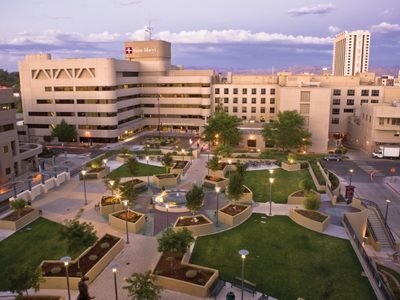
It is important for many future short-term patients to receive the best hospital care possible. These first few days of recovery can affect a patient’s outcome down the road. Knowledgeable doctors are also great sources of advice on area nursing institutions. In Kansas City, the hospitals with the best ratings based on patients’ hospital experiences are University of Kansas Hospital, North Kansas City Hospital and St. Luke’s Hospital of Kansas City.
Long-term care concentrates on health maintenance for patients with moderate to severe mental or physical conditions. They require attentive, responsive and extensive care for illnesses and diagnoses like cancer, multiple sclerosis, cardiovascular disease, Alzheimer’s and dementia. All members of a home’s team of caregivers work collectively to provide the requisite supplies, amenities and treatment for long-term patients. Doctors and nurses tend to patients by giving regular check-ups and performing medical skills like blood testing, medicine adjustments, tracheostomies, wound care and injections. Non-medical personnel are responsible for assisting patients with dressing, washing, eating, walking and other activities of daily living that may be hindered by a patient’s condition. Social workers are concern with patients' social welfare. They provide companionship by accompanying patients on outings or by just talking and visiting them.
Kansas City skilled nursing facilities bear monthly costs that fall right around the Kansas state median. Semi-private and private nursing home accommodations have an expected cost of $4,563 and $5,019 per month, respectively. Both homemaker services and home health aide cost $3,432 per month in the area. Adult day health care and assisted living bedrooms cost $1,517 and $3,501 per month, respectively.
Nursing homes do all they can to help patients and their families ease into transitioning from one form of care to nursing care. They understand the many emotional hardships that come with the situation. For family members dealing with dying parents or relatives, facilities often have chaplains and grief counselors on hand to provide comfort and reassurance. Our site wants seniors and their families to understand the multifaceted issues of nursing care, so they can end up with a skilled nursing facility with compassionate, attentive, committed caregivers at the right price and location.