Arc at Trotwood LLC
5790 Denlinger Road
Dayton, OH 45426
Dayton nursing homes administer extensive and extended skilled nursing care to patients with acute, terminal, temporary and chronic medical conditions. The individual needs of each patient are treated through a collaborative and dedicated effort. A multidisciplinary team of caregivers handle different aspects of treatment. There are nurses, physicians, social workers, therapist, dietitians, non-medical caregivers and other specialty caregivers that help manage, evaluate and observe patients so they can get around-the-clock monitoring and treatment.
Nursing homes, also called skilled nursing homes, offer care for many different health concerns. Some Dayton area SNFs have expert care facilities that specialize on particular problems, like kidney or cardiovascular disease. In addition to a more narrow focus, nursing homes also provide general short-term or long-term care.
Short-term nursing care focuses on rehabilitation. Most short-term patients were recently hospitalized due to a stroke, aneurism, fall, heart attack or other medical crisis. Medical professionals help diagnose their problems and plan a specific path for recovery. Short-term patients often need respiratory, occupational, physical and speech therapy to improve their level of health. Once patients have regained some of their lost strength, they meet with discharge professionals to discuss lesser levels of care. For these patients, nursing care is a bridge between hospital care and in home or assisted living care. Together, the different levels of care make up the full process of recuperation.
Hospital care is an important factor in that process. As the first step of recovery, quality care can affect how a patient heals down the road. It is vital for future short-term patients to find the best hospital possible, under the circumstances. In Dayton, the hospitals with the highest ratings, based on patients’ hospital experiences, are Grandview Hospital & Medical Center and Miami Valley Hospital.
Long-term care concentrates on delivering advanced social and medical care to severely disabled patients. Nursing personnel are prepared with the requisite supplies and amenities to treat Alzheimer’s, cancer, multiple sclerosis, spinal injuries, general physical decline, and a host of other conditions. Professional medical treatment, check-ups and procedures, like wound care, blood work, medication adjustment and colostomies, are taken care by registered nurses and physicians. Non-medical caregivers aid those who have trouble with activities of daily living. To ensure long-term patients' well-being and to maximize their independence, long-term facilities have recreational officers and social workers that provide companionship and social interaction through events, games and short-trips.
Dayton skilled nursing facilities have an average monthly cost that is $600 higher than the Ohio median. Private and semi-private SNF accommodations have an expected cost of $7,346 and $6,616 per month.
Nearly 70 percent of seniors will need long-term care for a certain period in their life. Insurance covers only a small percentage of nursing care costs. Careful planning and preparation can help seniors and their families shoulder the burden. Long-term care insurance plans are one of the best ways to cover the cost of nursing homes. Medicare has many limitations, including not accepting those only in need of custodial care and coverage lasting only 100 days in a benefit period.
Our site wants to equip seniors and their loved ones with the essential information on the complex aspects of nursing care. We believe this information will help them make a more educated decision when searching for a SNF that matches their financial, emotional and medical needs.
| Assisted living (state avg, monthly) | $3,710 |
|---|---|
| Nursing home, semi-private (monthly) | $6,080 |
| Nursing home, private room (monthly) | $6,770 |
| In-home homemaker (monthly) | $3,530 |
| In-home health aide (monthly) | $3,600 |
| Adult day care (monthly) | $1,070 |
5790 Denlinger Road
Dayton, OH 45426
6451 Far Hills Avenue
Dayton, OH 45459
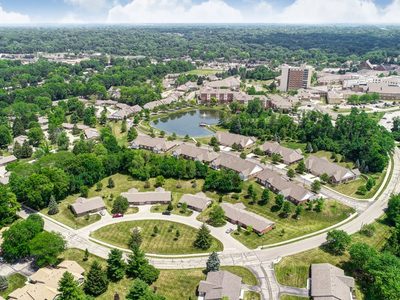
6443 Bethany Village Drive
Dayton, OH 45459
You built a career, raised a family, and planned to take it easy one day. Now’s the time to enjoy the retirement you’ve always imagined, and you’ll fit right in at Bethany Village. Picture yourself on an ideal...
5020 Philadelphia Dr
Dayton, OH 45415
5040 Philadelphia Drive
Dayton, OH 45415
7300 Mcewen Road
Dayton, OH 45459
2351 Wienburg Dr
Dayton, OH 45439
235 W Orchard Springs
Dayton, OH 45415
41 White Allen Ave
Dayton, OH 45405
320 Albany St
Dayton, OH 45408
5790 Denlinger Rd
Dayton, OH 45426
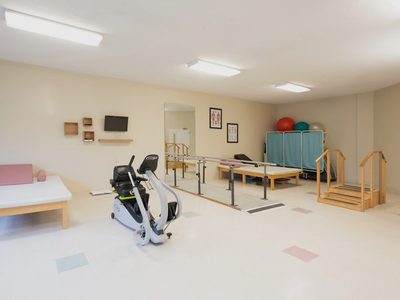
320 Albany Street
Dayton, OH 45417
Arbors at Dayton is a leading provider of long-term skilled nursing care and short-term rehabilitation solutions. Our 106 bed facility offers a full continuum of services and care focused around each individual in...
5790 Denlinger Rd
Dayton, OH 45426

323 Forest Avenue
Dayton, OH 45405
Forest View Center is an 87-bed skilled nursing facility centrally located near the four major hospitals in the heart of downtown Dayton. Our Center is recognized for short stay rehabilitation, specialization in...
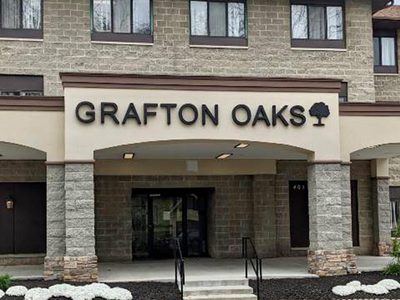
405 Grafton Avenue
Dayton, OH 45406
7445 Liberty Woods Ln
Dayton, OH 45459
7445 Liberty Woods Ln
Dayton, OH 45459
7445 Liberty Woods Ln
Dayton, OH 45459
694 Isaac Prugh Way
Kettering, OH 45429-3481
At Lincoln Park Manor we understand that it is very difficult to deal with failing health especially in a parent
4830 Salem Avenue
Dayton, OH 45416
3109 Campus Dr
Dayton, OH 45406
6125 N Main Street
Dayton, OH 45415
3421 Pinnacle Road
Dayton, OH 45439
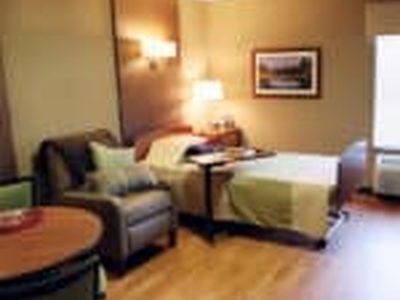
1390 King Tree Drive
Dayton, OH 45405
264 Wilmington Avenue
Dayton, OH 45420
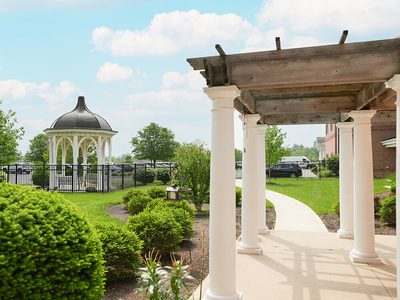
4000 Singing Hills Blvd
Dayton, OH 45414
3800 Summit Glen Drive
Dayton, OH 45449
2510 Vienna Pkwy
Dayton, OH 45459
4911 Covenant House Drive
Dayton, OH 45426
4381 Tonawanda Trail
Dayton, OH 45430
607 Whitmore Ave
Dayton, OH 45417
50 South Findlay Street
Dayton, OH 45403
This summary also covers Alpha, Beavercreek, Bellbrook, Bowersville, Bradford, Brookville, Camden, Casstown, Cedarville, Centerville, Clayton, Clifton, Conover, Covington, Dayton, Eaton, Eldorado, Englewood, Fairborn, Farmersville, Fletcher, Germantown, Gratis, Jamestown, Kettering, Laura, Lewisburg, Ludlow Falls, Miamisburg, New Lebanon, New Paris, Phillipsburg, Piqua, Pleasant Hill, Potsdam, Spring Valley, Tipp City, Troy, Vandalia, Verona, West Alexandria, West Elkton, West Manchester, West Milton, Wilberforce, Xenia, Yellow Springs and all surrounding areas.