3660 Greentree Leasing, LLC
3660 Greentree Ave SW
Canton, OH 44706
Our site aims to give seniors and their families information about the many complex aspects and general facts about nursing care. We want them to be able to make an educated decision that will help them find a nursing home with compassionate, committed, well-trained and vigilant caregivers at an affordable cost and appropriate location.
Canton nursing homes are places of residence that offer advanced forms of custodial, medical and social care for patients with a broad variety of health issues. Residents pursue nursing care because they have diagnoses that cannot be properly treated by less inclusive forms of care. Patients with acute, sub-acute, terminal, permanent, temporary and serious medical conditions are treated by an interdisciplinary team of nursing personnel, including doctors, nurses, social workers, specialists, therapists and non-medical staff. Each caregiver plays a role helping each patient obtain their personal health objectives.
Some Canton nursing homes, or skilled nursing facilities contain special care units for specific illnesses like kidney disease or diabetes. Aside from specialized care, Canton skilled nursing facilities have general amenities that offer short-term or long-term care.
Short-term care delivers the provision of rehabilitation services to patients recovering from acute medical events that forced them to be hospitalized. The most common causes of short-term nursing visits are strokes, falls and aneurisms. Under short-term care, patients follow an individualized plan of recuperation that helps them regain their highest level of functioning and minimize the damage caused by their medical crisis. Patients often utilize occupational, physical, speech or auditory therapy to reach a level of health where they can pursue less inclusive medical care. At that level, discharge planners advise patients on appropriate in home, assisted living, or other lower levels of care.
As the initial form of medical treatment for nearly 75 percent of short-term nursing patients, hospital care can greatly affect the outcome of a patient’s recovery process. Well-credentialed doctors can help patients jumpstart their recovery in the first few days after an acute medical crisis. Canton’s most quality health care services, based on patients’ prior hospital experiences, can be found at Aultman Hospital and Mercy Medical Center.
Long-term care concentrates on treating patients with moderate to severe physical and mental disabilities. Patients are often driven to seek long-term care because an existing condition, such as Alzheimer’s, cancer, multiple sclerosis, kidney disease or dementia, has deteriorated past a level their prior form of care could properly treat. These patients have symptoms that require a collaborative response from all facility caregivers. Nurses and physicians perform regular health checks and medical procedures like injections, blood testing, medication adjustments, intravenous therapy, colostomies and tracheostomies. Non-medical personnel offer patients help with activities of daily living like eating, traveling, bathing and dressing. Social workers provide a certain level of companionship by spending time to get to know patients.
Nursing care costs in Canton fall under the Ohio state median and near the national average. Private and semi-private SNF rooms cost $6,266 and $5,901 per month, respectively. Homemaker services and home health aide both have monthly costs of $3,241. Adult day health care and assisted living facility bedrooms cost $975 and $4,150 per month, respectively.
The process of finding a quality nursing home is often confusing and challenging for seniors and their families. There are many considerations they must weigh when choosing a skilled nursing facility. One of the most effective ways of narrowing down your list of SNFs is to visit each of them. During visits, be sure to jot down the amenities available, including room sizes, odor, staff to resident ratio, personnel turnover rates, social activities and the general atmosphere. In general, nursing homes that display happy and lively patients and staff are more likely to deliver quality and proper care.
| Assisted living (state avg, monthly) | $3,710 |
|---|---|
| Nursing home, semi-private (monthly) | $6,080 |
| Nursing home, private room (monthly) | $6,770 |
| In-home homemaker (monthly) | $3,530 |
| In-home health aide (monthly) | $3,600 |
| Adult day care (monthly) | $1,070 |
3660 Greentree Ave SW
Canton, OH 44706
200 East State St.
Alliance, OH 44601
1420 Smith Kramer Road
Hartville, OH 44632
517 Park Street Nw
Navarre, OH 44662
7006 Fulton Drive, Nw
Canton, OH 44718
1610 First Street Ne
Massillon, OH 44646

400 Carolyn Court
Minerva, OH 44657
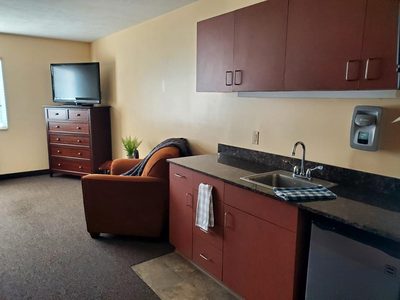
Great Trail Care Center is a leading provider of long-term skilled nursing care and short-term rehabilitation solutions. Our 100 bed facility offers a full continuum of services and care focused around each individual...
3537 12th St NW
Canton, OH 44708
2821 Woodlawn Avenue Nw
Canton, OH 44708
626 34th Street, Nw
Canton, OH 44709
264 Mohican Street Ne
Brewster, OH 44613
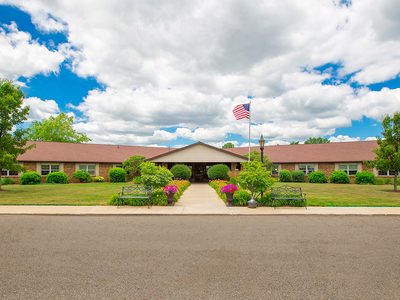
1785 Freshley Avenue
Alliance, OH 44601
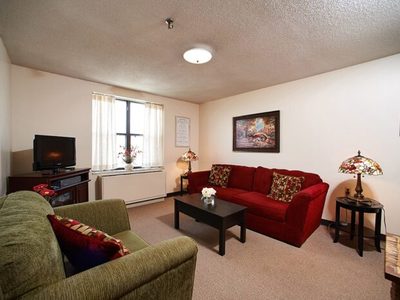
2550 Cleveland Avenue Nw
Canton, OH 44709

4515 22nd Street NW
Canton, OH 44708
Imagine a retirement lifestyle where every day is your own creation. Where you are surrounded by an extended family of friends and caring staff. Where your days are filled with fascinating possibilities of going and...
10608 Navarre Road Sw
Navarre, OH 44662
875 8th St NE
Massillon, OH 44646
800 Market Ave N
Canton, OH 44702
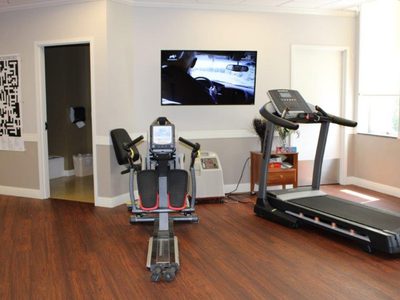
7770 Columbus Road Ne
Louisville, OH 44641

2714 13th Street Nw
Canton, OH 44708
The Laurels of Canton is a fully renovated 97 bed Skilled Nursing and Rehabilitation Center conveniently located in the heart of the medical community on 13th Street NW in Canton, Ohio.
435 Avis Avenue Nw
Massillon, OH 44646
2812 Harvard Ave NW
Canton, OH 44709
300 Yant Street, Nw
Bolivar, OH 44612
2812 Harvard Ave NW
Canton, OH 44709
2311 Nave Road Se
Massillon, OH 44646
7187 St Francis Street, Ne
Louisville, OH 44641

4466 Lynnhaven Avenue NE
Louisville, OH 44641
Oakhill Manor provides a caring bridge between hospital and home. Our goal is to provide a safe, loving environment where people can heal, get well, and enjoy their time with us. Physical, occupational & speech...

5005 Higbee Avenue NW
Canton, OH 44718
Located on Higbee Avenue, Northwest in Canton, OH, ManorCare provides individualized post-hospital skilled nursing care in a comfortable environment. Our clinical and therapy teams are experienced in providing...
875 8th St NE
Massillon, OH 44646
2040 Mccrea Street
Alliance, OH 44601
800 Market Avenue North
Canton, OH 44702

300 23rd Street Ne
Massillon, OH 44646
200 E State St
Alliance, OH 44601
836 34th St NW
Canton, OH 44709
3071 Dunbarton Ave NW
Canton, OH 44708
5425 High Mill Avenue Nw
Massillon, OH 44646
2308 Reno Drive Ne
Louisville, OH 44641
220 Applegrove Street Ne
North Canton, OH 44720
3927 38th St NW
Canton, OH 44718
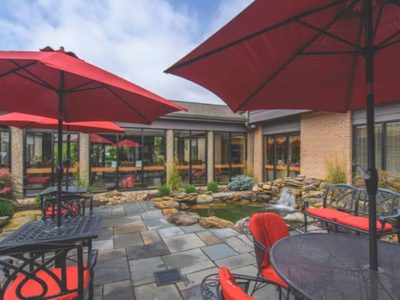
The Inn at Belden Village is one of Stark County's Top Senior Assisted Living Facilities. Our trained and compassionate staff provides senior care services of Assisted Living, Dementia Care, Alzheimer's Care,...
2714 13th St NW
Canton, OH 44708

2000 Sherman Circle Ne
Massillon, OH 44646
The Laurels of Massillon is a premier 120 bed skilled nursing and rehabilitation center, with a 20 bed assisted living unit.
3660 Greentree Avenue, SW
Canton, OH 44706
200 E State St
Alliance, OH 44601
836 34th Street Nw
Canton, OH 44709
3015 17th Street Nw
Canton, OH 44708
1454 E Maple St
North Canton, OH 44720
This summary also covers Alliance, Augusta, Beach City, Brewster, Canal Fulton, Canton, Carrollton, Dellroy, East Sparta, Greentown, Harlem Springs, Hartville, Leesville, Limaville, Louisville, Magnolia, Malvern, Massillon, Maximo, Mechanicstown, Middlebranch, Minerva, Navarre, North Lawrence, Paris, Robertsville, Sherrodsville, Uniontown, Waynesburg, Wilmot and all surrounding areas.