Ablossom of Faith Home Healthcare LLC
915 Wildwood Dr
Birmingham, AL 35235
Birmingham nursing homes provide the most advanced medical treatment found outside a hospital. Nursing homes are a residence for seniors and patients with the rehabilitative needs or serious medical conditions requiring evaluation, observation and management. Caregivers, including doctors, nurses, therapists, social workers and non-medical staff are on call to give continuous monitoring and care to all patients.
Also called skilled nursing facilities, nursing homes often deliver specialized care. The main breakdown for Birmingham skilled nursing facilities is between short-term care and long-term care. Short-term care focuses on helping patients recuperate from acute medical events. The most common events landing seniors in a short-term stay are strokes, heart attacks, aneurisms and fall related injuries. A prescribed path for short-term recovery will often include physical, respiratory, speech or occupational therapy. Ultimately, short-term care aims to help move patients to either lower levels of care, like assisted living or in home arrangements, or to their previous lives. Long-term care deals with moderate to severe medical conditions like Parkinson’s, Alzheimer’s, multiple sclerosis, dementia or general physical decline. Nurses and doctors administer quality health maintenance and care by performing medical procedures and checkups. Non-medical personnel help make long-term patients as comfortable as possible by aiding with activities of daily living. Social workers are present to give a level of companionship and social interaction to long-term patients.
Most long-term stays occur due to a declining medical condition, while most short-term stays are caused by an abrupt medical crisis requiring a hospital stay. High quality hospital care is important for the initial period of recovery. Well-informed physicians will be able to give helpful recommendations and referrals to reputable area nursing facilities. In Birmingham, the best hospital care, based on patients’ previous hospital experiences, can be found at University of Alabama Hospital and St. Vincent’s Birmingham.
Birmingham’s nursing care costs are slightly elevated over the Alabama median but still fall under the national average. Nursing home patients can expect to pay a monthly cost of $5,464 and $5,709 for semi-private and private SNF rooms, respectively. Less inclusive care options, like homemaker services, home health aide and assisted living care bear a monthly cost of $3,041, $3,051 and $2,348, respectively.
Moving to a nursing home is difficult for all parties involved. For seniors, they have to come to grips with leaving their old residence, friends and family. Family members of nursing home patients often feel guilty for not being able to fully provide for their aging parents or relatives. Caregivers often have a tough time caring for seniors that believe they can still live independently. Nursing home personnel may also have to maneuver around inheritance or estate disputes. Our site wants to help inform seniors and their loved ones of the complex issues at hand. We want to help them find quality nursing care with dedicated and compassionate caregivers that intersects with their financial, emotional and medical needs.
| Assisted living (state avg, monthly) | $2,950 |
|---|---|
| Nursing home, semi-private (monthly) | $5,320 |
| Nursing home, private room (monthly) | $5,490 |
| In-home homemaker (monthly) | $3,040 |
| In-home health aide (monthly) | $3,050 |
| Adult day care (monthly) | $920 |
915 Wildwood Dr
Birmingham, AL 35235
800 Montclair Rd
Birmingham, AL 35213

6 Office Park Cir #315
Birmingham, AL 35223
Give the senior in your life the gift of independence with the help of Always Best Care of Birmingham, AL. Reach out to us with any questions by phone at (205) 908-7874, by email at jmancuso@abc-seniors.com or see...
1020 Tuscaloosa Ave SW
Birmingham, AL 35211
1000 Dugan Avenue
Birmingham, AL 35214
733 Mary Vann Lane
Birmingham, AL 35215
400 University Park Drive
Birmingham, AL 35209
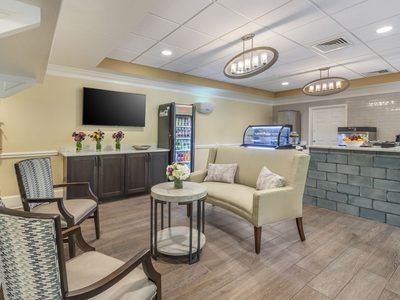
As a continuing care retirement community, or CCRC, you'll have independent living, assisted living, memory care and skilled nursing all on one campus. Amenities include Emergency Alert System, Pet Friendly, Fitness...
1250 Jeff Germany Parkway
Birmingham, AL 35214
1201 22nd Street North
Birmingham, AL 35234
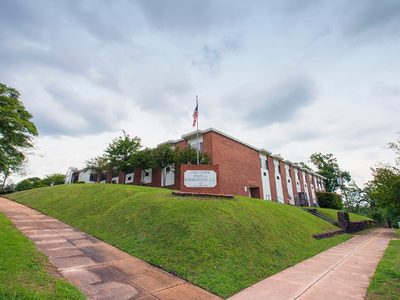
The Civic Center Health And Rehabilitation Center is located in central Birmingham.

2500 Riverhaven Drive
Birmingham, AL 35244
Golden LivingCenter - Riverchase is a skilled nursing facility located in Birmingham, Ala., with access to Shelby Baptist Medical Center. We are dedicated to providing quality care in an environment that promotes...
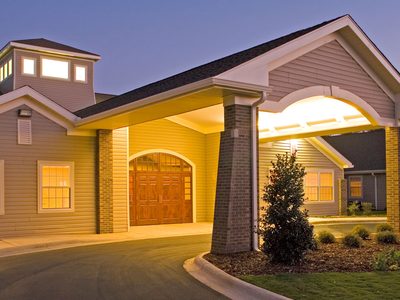
53 Medical Park Drive East
Birmingham, AL 35235
East Glen is a full service skilled nursing community, offering personalized services and amenities. Located on Birmingham’s Medical Park Drive East, directly across from Birmingham’s St. Vincent’s East Medical...
7755 Fourth Avenue South
Birmingham, AL 35206

300 Royal Tower Drive
Birmingham, AL 35209
Mount Royal Towers Retirement Community has a full continuum of health care on site, including Independent Living, Independent Plus, Skilled Nursing and ActivCare Residential Alzheimer's Care. Whether you require...
1424 North 25th Street
Birmingham, AL 35234

1424 Montclair Road
Birmingham, AL 35210
Fair Haven, opened in 1961, continues to serve as a leader in senior living providing six levels of care: Garden Homes, one and two bedroom and studio apartments, Assisted Living, Specialty Care Assisted Living,...
513 Brookwood Blvd Ste 506
Birmingham, AL 35209
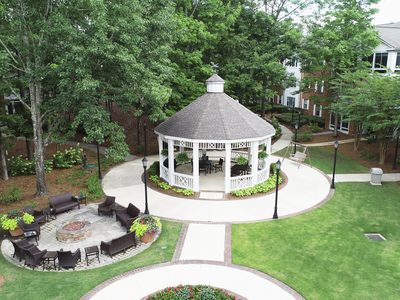
3850 Galleria Woods Drive
Birmingham, AL 35244
Galleria Woods located in Birmingham, Alabama is a Continuing Care Retirement Community. Galleria Woods offers Independent Living, Personalized Assisted Living, Alzheimer's and Dementia Care and Skilled Nursing Care...

2831 Highland Avenue South
Birmingham, AL 35205
If these walls could talk, there would be stories to tell. Stories of friendship. Stories of distinction. Tales that will forever remain part of the historic Altamont building -- but also, Greenbriar at the...
4097 Somerset Ridge
Birmingham, AL 35242

39 Hanover Circle S
Birmingham, AL 35205
Hanover Health & Rehabilitation at Birmingham is a skilled nursing facility providing exceptional care for medically complex patients, and accepts private pay, Medicare, and most managed care plans. Hanover Health and...
1515 6th Ave S
Birmingham, AL 35233
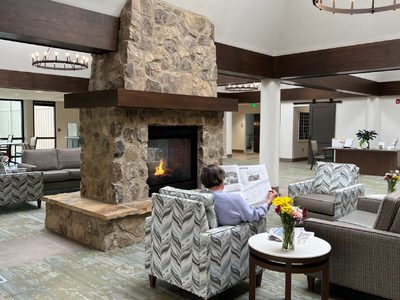
3605 Ratliff Road
Birmingham, AL 35210
200 N Pine Hill Rd
Birmingham, AL 35217
Nursetel
Birmingham, AL 35242
2660 10th Ave S Ste 636
Birmingham, AL 35205
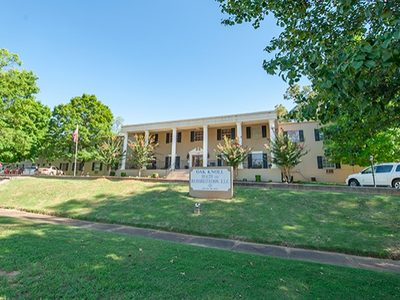
824 Sixth Avenue West
Birmingham, AL 35204
200 North Pine Hill Road
Birmingham, AL 35217
1028 Bessemer Rd
Birmingham, AL 35228
3141 Old Columbiana Road
Birmingham, AL 35226
1220 South 17th Street
Birmingham, AL 35205
4941 Montevallo Road
Birmingham, AL 35210
This summary also covers Adamsville, Adger, Alabaster, Allgood, Alton, Ashville, Bessemer, Birmingham, Blountsville, Bluff Park, Brent, Brierfield, Brookside, Burnwell, Calera, Carbon Hill, Cardiff, Centreville, Chelsea, Clanton, Clay, Cleveland, Columbiana, Cook Springs, Cordova, Cropwell, Docena, Dolomite, Dora, Eldridge, Empire, Fairfield, Fultondale, Gardendale, Goodsprings, Graysville, Green Pond, Harpersville, Hayden, Helena, Homewood, Hoover, Irondale, Jasper, Jemison, Kansas, Kimberly, Lawley, Leeds, Locust Fork, Maplesville, Margaret, Maylene, McCalla, Montevallo, Moody, Morris, Mount Olive, Mountain Brook, Mulga, Nauvoo, New Castle, Oakman, Odenville, Oneonta, Palmerdale, Parrish, Pelham, Pell City, Pinson, Pleasant Grove, Quinton, Ragland, Randolph, Remlap, Riverside, Saginaw, Sayre, Shannon, Shelby, Siluria, Sipsey, Springville, Stanton, Steele, Sterrett, Sumiton, Thorsby, Townley, Trafford, Trussville, Vandiver, Verbena, Vestavia, Vestavia Hills, Vincent, Warrior, Watson, Wattsville, West Blocton, Westover, Wilsonville, Wilton, Woodstock and all surrounding areas.