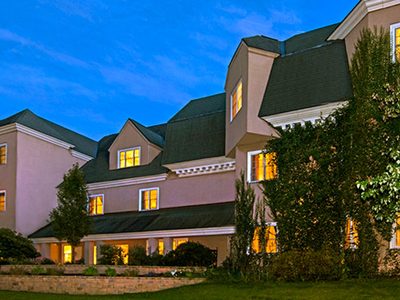
Courville At Manchester
44 West Webster Street
Manchester, NH 03104
Our site wants to aid Manchester area seniors and their families to find a quality nursing home with dedicated, committed, compassionate and well-trained caregivers.
Manchester nursing homes give patients and seniors access to the most advanced medical treatment available outside a hospital. Nursing home patients cannot get by independently or with less inclusive care options. Patients have a wide variety of long-term health management and rehabilitative needs. Nursing homes, or skilled nursing facilities, admit patients for acute, sub-acute, temporary, terminal, chronic and serious medical issues. The two most general forms of nursing care are short-term and long-term care.
Nursing homes have a wealth of professionals that must collectively work together to care for their patients. Physicians, nurses, nursing aids, therapists, non-medical caregivers, social workers and recreational planners deliver intermittent to continuous monitoring and management to meet the specific needs of each patient.
Short-term care focuses on helping previously hospitalized patients recover from strokes, aneurisms, heart attacks, falls, surgeries and other acute medical events. Under this type of care, patients follow an individualized path of recovery, designed by nursing professionals, to help them get back on their feet. Effective recuperation often includes a form of physical, occupational, respiratory, speech or other specialized therapy. A short-term visit does not aim to help patients fully recovery. Lesser levels of care, like in home or assisted living care, are often needed by patients who leave a short-term stay.
Hospital care, as the first stage of a short-term patient’s medical treatment, can affect the outcome of his or her recovery. Quality hospital care can shorten the length of a nursing stay and can also give patients information about area nursing homes. Some hospitals even have nursing complexes within their facilities. The best Manchester health services, based on patients’ previous hospital experiences, can be found at Elliot Hospital and Catholic Medical Center.
Long-term care is concerned with maintaining or restoring the health of patients with serious medical conditions, like diabetes, cancer, multiple sclerosis, Alzheimer’s or general physical decline. Facility caregivers provide the most personalized and responsive care possible through a coordinated effort on part of all personnel. Physicians and nurses perform complex medical procedures like intravenous therapy, injections, medication adjustment and colostomies. Non-medical workers are responsible for custodial care. Social and recreational planners try to keep long-term patients as independent and socially engaged as possible through games, events, activities and trips.
Manchester skilled nursing facility costs are higher than the New Hampshire median level and much more than the national average. Semi-private and private SNF accommodations have an expected monthly cost of$9,079 and $9,885, respectively. Homemaker services, home health aide and adult day health care bear monthly costs of $4,290, $4,576 and $1,365, respectively. Assisted living bedrooms run a monthly cost of $5,544.
It is very important for seniors and their families to understand that traditional health insurance does not cover the cost of nursing care. Medicare and Medicaid are U.S. government programs that can help cover some of the cost, but they have significant restrictions. Medicare will only provide coverage for 100 days of a nursing stay and does not cover the need for only custodial care. Medicaid is not recognized by all locations and eligibility varies state by state. Families often must turn to private means of funding the high cost of nursing care. It is a difficult and painful process for many who have had dip into their savings or even lose their house to pay for care. Long-term preparation and planning can help avoid some of these pitfalls.
| Assisted living (state avg, monthly) | $4,000 |
|---|---|
| Nursing home, semi-private (monthly) | $8,210 |
| Nursing home, private room (monthly) | $8,760 |
| In-home homemaker (monthly) | $4,290 |
| In-home health aide (monthly) | $4,480 |
| Adult day care (monthly) | $1,350 |
44 West Webster Street
Manchester, NH 03104
44 W Webster St
Manchester, NH 03104
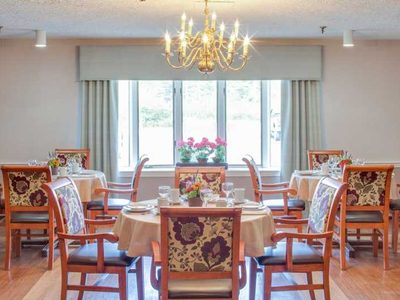
191 Hackett Hill Road
Manchester, NH 03102
Hackett Hill Center, a Genesis HealthCare facility located at 191 Hackett Hill Rd, Manchester, NH 03102, specializing in ACCELerate Rehabilitation, Powerback Rehabilitation to You, Transitional Care Unit, Cardiac...
700 Hanover Street
Manchester, NH 03104
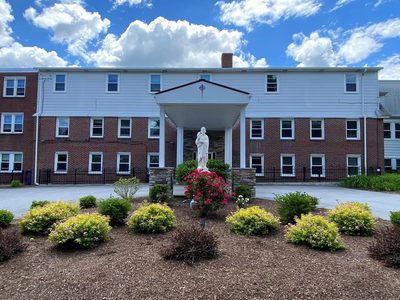
357 Island Pond Road
Manchester, NH 03109
198 Pearl Street
Manchester, NH 03104
235 Myrtle Street
Manchester, NH 03104
519 Bridge Street
Manchester, NH 03104
495 Mammoth Rd
Manchester, NH 03104
1276 Hanover Street
Manchester, NH 03104
This summary also covers Antrim, Auburn, Bedford, Bennington, Candia, Chester, Deering, Derry, Dunbarton, East Derry, Epping, Francestown, Fremont, Goffstown, Greenfield, Hooksett, Manchester, Merrimack, Mont Vernon, New Boston, Newfields, Pinardville, Raymond, Riverdale, Sandown, Weare, Windsor and all surrounding areas.