Avir at Azalea Heights
3505 Old Jacksonville Rd
Tyler, TX 75701
AssistedSeniorLiving.Net aims to give seniors and their loved ones as much information as possible to help them make an educated decision when choosing a skilled nursing facility. Tyler nursing homes offer temporary to permanent residence to patients with a broad range of rehabilitative or long-term care needs. Patients are given the most advanced medical and social treatment one can find outside a hospital by a multidisciplinary team of nursing professionals. Nurses, nursing aids, physicians, therapists, specialists, non-medical personnel, social workers and recreational planners cooperate together to provide attentive and vigilant care for each patient.
Nursing care is broken down into two main categories, short-term and long-term care. Some Tyler area facilities admit both patients for both types of care. Additionally, certain institutions specialize in the care of medical conditions like Alzheimer’s or spine injuries.
Short-term care utilizes rehabilitative services to help patients recover from acute medical events like heart attacks, strokes, aneurisms, falls and surgeries. Many short-term patients were previously under hospital care due to their medical event. A professionally designed plan of rehabilitation and nursing personnel help patients regain functions and strength and minimize the adverse effects of their condition. As prescribed, patients take sessions of occupational, physical, speech or respiratory therapy. Short-term care is usually an intermediate component of a patient’s recovery. Once patients have reached a certain level of health, discharge planners help patients transition to in home care, assisted living facilities or other less comprehensive care options.
Hospital care is the vital first component of many short-term patients’ medical treatment. Proper care, delivered by skilled doctors and specialists, can ultimately shorten the length of a patient’s recuperation and give them access to helpful information regarding local nursing facilities. The best health care services in Tyler, based on patients' hospital experiences, can be found at Mother Frances Hospital and University of Texas Health Science Center at Tyler.
Long-term care focuses on providing extended and extensive forms of care to patients with moderate to severe physical and mental disabilities. Many seniors move to long-term care because their existing condition, like dementia, cancer, multiple sclerosis, kidney disease and diabetes, has declined past a level their former caregiver can properly treat. For long-term patients, their elaborate and complex problems require a collective effort on part of all nursing facility personnel to restore or maintain a patient’s level of health. Physicians and nurses administer continuous monitoring and medical procedures like blood testing, wound care, tracheostomies, injections and medication adjustment. Non-medical caregivers are responsible for patients’ custodial care needs. Social workers spend time with patients by accompanying them on outings, talking with them or just watching television with them.
The cost for Tyler skilled nursing facility care falls well below the national average and more than $300 per month under the Texas median level. Private SNF rooms cost $4,730 per month. Semi-private SNF rooms run a monthly cost of $3,635.
The high cost of nursing care is often a large burden to many seniors and their families. Although government programs help defray some of that cost, those who do not quality have to find private ways of funding the cost. This often forces families to dip into their retirement savings or borrow against their assets to finance skilled care. Those whose need for nursing care is not immediate have the option of buying long-term care insurance. However, these policies come with expensive monthly premiums that put them out of the reach of seniors living on fixed incomes. Medicare and Medicaid recipients should be aware of the benefits they deserve under their respective coverage. Medicaid helps patients without the means to pay for nursing care. Its eligibility varies by state. Medicare only provides full coverage for 20 days of nursing care and partial coverage for 80 more days of care.
| Assisted living (state avg, monthly) | $3,200 |
|---|---|
| Nursing home, semi-private (monthly) | $3,950 |
| Nursing home, private room (monthly) | $5,130 |
| In-home homemaker (monthly) | $3,240 |
| In-home health aide (monthly) | $3,460 |
| Adult day care (monthly) | $730 |
3505 Old Jacksonville Rd
Tyler, TX 75701
13906 FM 2710
Lindale, TX 75771

900 S Baxter Avenue
Tyler, TX 75701
The Clairmont Tyler is a 120-bed Skilled Long Term Nursing Facility located 2 blocks from both major hospitals. We have an Express Recovery Unit specializing in sub-acute care providing IV, Trach, Wound, and Cardiac...

930 S Baxter
Tyler, TX 75701
Colonial Tyler Care Center is a 172-bed skilled nursing facility located two blocks from the local hospitals. We offer private and semi-private rooms and a Rehabilitation Center that offers services daily to our...
151 Heritage Springs Drive
Bullard, TX 75757
3403 S Vine Ave
Tyler, TX 75701
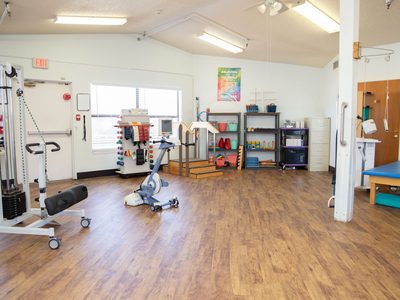
300 Cherry St
Chandler, TX 75758
508 Pierce St
Lindale, TX 75771
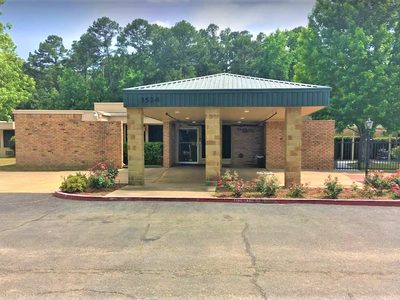
3526 W Erwin St
Tyler, TX 75702
16044 County Road 165
Tyler, TX 75703
Meadow Lake is the first continuing care retirement community in Tyler consisting of garden apartment homes, executive homes, assisted living and skilled nursing all on one gated campus. The gated community is...
107 Stacy
Whitehouse, TX 75791
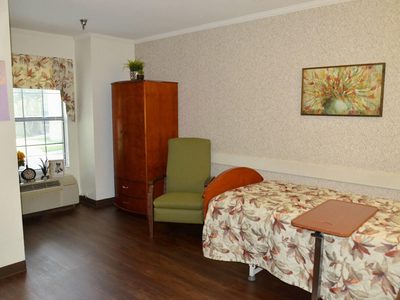
2450 E Fifth St
Tyler, TX 75701
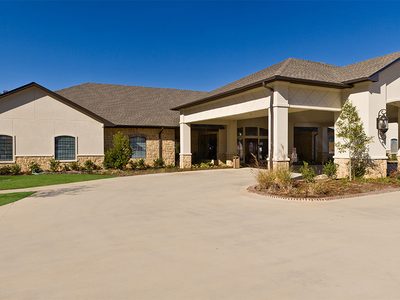
5505 New Copeland Rd.
Tyler, TX 75703
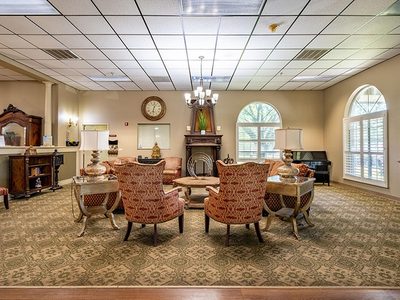
1401 Rice Rd
Tyler, TX 75703

3219 East Grande Boulevard
Tyler, TX 75707
2650 Elkton Trail
Tyler, TX 75703
2265 S Sycamore St
Palestine, TX 75801
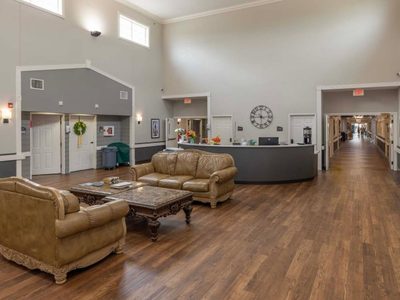
2875 Shiloh Rd
Tyler, TX 75703
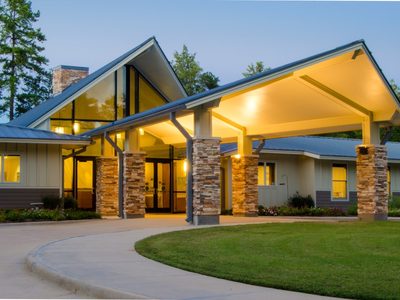
11466 Honor Lane
Tyler, TX 75708
This summary also covers Alba, Arp, Bullard, Flint, Golden, Hawkins, Lindale, Mineola, Palestine, Quitman, Troup, Tyler, Whitehouse, Winnsboro, Winona, Yantis and all surrounding areas.